A Practical Guide to Mineral Fiber Ceiling Tile – What Really Matters for Your Project
A Practical Guide to Mineral Fiber Ceiling Tile – What Really Matters for Your Project
Hey, if you're shopping for mineral fiber ceiling tile right now, chances are you're dealing with a noisy office, a public lobby that echoes like crazy, or maybe a space where fire codes keep everyone on edge. I've been around these materials long enough at SHENGTIAN to see what actually works—and what ends up frustrating people months later.
Mineral Fiber Ceiling Tile basically comes from mineral fibers (mostly slag or rock wool), perlite, some clay binders, and recycled content these days. We press it all into lightweight boards that sit nicely in a standard grid system. The real appeal? It soaks up sound, won't burn easily, and handles humidity way better than people think—especially when we add the right coatings.
Where People Actually Use Mineral Fiber Ceiling Tile Every Day
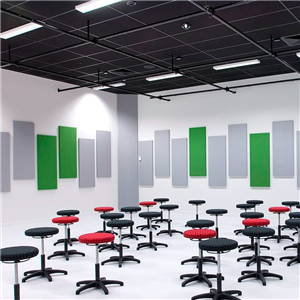
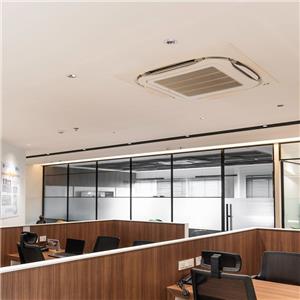
Picture walking into a busy open-plan office: phones ringing, keyboards clacking, conversations overlapping. Without good absorption, it turns into background chaos. That's where acousticmineral wool ceiling tile for sound absorption makes a noticeable difference—staff concentrate longer and complaints drop.
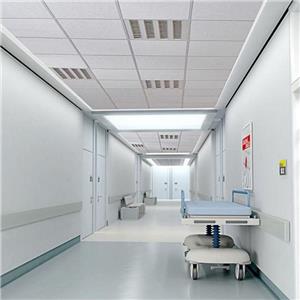
Hospitals, schools, malls—these spots need ceilings that won't feed a fire. Fire resistant mineral fiber ceiling tile for public spaces carries Class A ratings, slows flame spread, and doesn't give off nasty fumes when things get hot.
Then there are those steamy bathrooms, commercial kitchens, or humid regions. Regular tiles sag or spot with mold pretty fast. Moisture resistant mineral fiber ceiling tile for humid areas stays flat and fights mold thanks to special treatments we bake in during manufacturing.
The Headaches That Push People to Upgrade Their Ceilings
Noise tops the list. Meetings get interrupted, focus suffers. A solid acoustic mineral wool ceiling tile for sound absorption with decent NRC cuts that reverb down quick.
Fire worries keep building owners up at night, especially after seeing headlines. Choosing fire resistant mineral fiber ceiling tile for public spaces that actually meets ASTM E84 or local codes takes that stress away.
Humidity is sneaky—it warps tiles, breeds mold, and forces replacements way too soon. Going with moisture resistant mineral fiber ceiling tile for humid areas from the start saves money and headaches.
What to Look For Before You Buy Mineral Fiber Ceiling Tile
Ask yourself a few straightforward questions.
How noisy is the room? Grab tiles with NRC 0.55 or higher for most offices—0.70+ if it's really loud. We push our higher-rated ones for open spaces because the difference is obvious.
Safety first in public buildings? Make sure you see Class A fire rating printed clearly. No shortcuts here.
Worried about damp spots? Pick versions with mold/mildew resistance and check the humidity tolerance—ours hold up past 90% RH without sagging.
Also glance at light reflectance (higher means brighter rooms, lower electric bills) and whether it has recycled content if green certifications matter. At SHENGTIAN we've dialed in these specs over years of feedback from real installs.
Specs That Usually Give the Best Bang for Your Buck
For typical commercial jobs I tell folks to aim for:
· NRC 0.50–0.75 → strong acoustic mineral wool ceiling tile for sound absorption in offices or classrooms
· Class A fire rating → reliable fire resistant mineral fiber ceiling tile for public spaces
· Humidity resistance up to 90%+ RH → dependable moisture resistant mineral fiber ceiling tile for humid areas
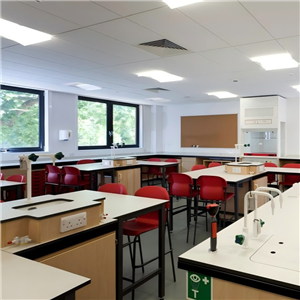
Common sizes like 595×595 mm or 600×600 mm drop right into T-grids. 12–15 mm thickness strikes a nice balance—not too heavy, but sturdy. Square or tegular edges install fastest. Bonus: high light reflectance (0.80+) and some thermal help to cut HVAC costs.
Mistakes I See Way Too Often (and How to Dodge Them)
People chase the lowest price and grab low-NRC tiles. The office stays noisy, everyone regrets it. Check the NRC rating before anything else.
Skipping fire ratings on commercial jobs is risky—inspectors catch it, insurance gets unhappy. Always confirm fire resistant mineral fiber ceiling tile for public spaces meets code.
Using standard tiles in wet areas almost guarantees sagging or mold. Stick to proper moisture resistant mineral fiber ceiling tile for humid areas—don't gamble.
Bad grid leveling or rushing the install leaves uneven looks or rattling tiles. Spend a little extra on a good crew; it pays off.
Wrapping It Up
Mineral Fiber Ceiling Tile remains a go-to because it quietly handles sound, fire, and moisture without drama. At SHENGTIAN we focus on getting those three things right so your space feels better and lasts longer. If you're tired of echoey rooms, fire-code stress, or replacing saggy panels, give our acoustic mineral wool ceiling tile for sound absorption, fire resistant mineral fiber ceiling tile for public spaces, and moisture resistant mineral wool ceiling tile for humid areas a serious look. Drop us a message—we're happy to talk through your exact setup.